Strait of Hormuz Tensions Reveal Tehran’s Internal Rifts
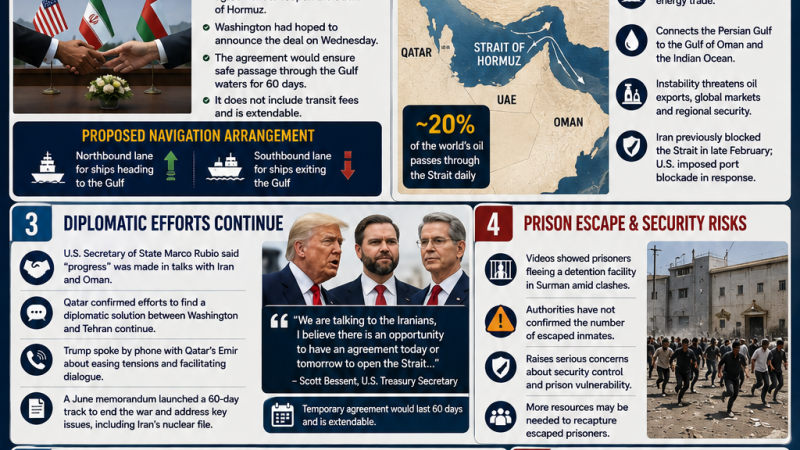
The Strait of Hormuz, a critical maritime chokepoint for global energy supplies, has emerged as a high-stakes arena for geopolitical maneuvering. Amid escalating tensions, the strategic waterway is increasingly functioning as a primary bargaining chip in a complex web of regional and international calculations.
Observers have noted a palpable lack of consistency in the rhetoric emanating from Tehran. Conflicting statements from various branches of the Iranian leadership regarding the security and status of the Strait have complicated diplomatic efforts. These internal inconsistencies suggest a broader struggle within Tehran’s decision-making apparatus to reconcile varying hardline and pragmatic approaches toward Western pressure.
Simultaneously, the reliability of United States policy is undergoing a rigorous test. Washington has issued a series of stern warnings, frequently characterizing deadlines as the “final opportunity” for diplomatic concessions or compliance. However, the recurring nature of these “final” threats has begun to erode their perceived impact. Analysts suggest that the repetitive cycle of ultimatums, often followed by a lack of tangible escalation or resolution, is creating a perception of strategic ambiguity that challenges the credibility of U.S. posture in the region.
The volatility surrounding the Strait of Hormuz is not merely a localized security concern but a symptom of deeper, structural friction between Iran and the international community. As the region navigates this impasse, the interplay between Tehran’s divided internal messaging and Washington’s persistent warnings continues to heighten the risk of miscalculation.
The international focus remains on whether these diplomatic exchanges will shift toward a concrete resolution or if the current patterns of brinkmanship will lead to a more sustained period of maritime insecurity. With the global economy heavily reliant on the uninterrupted flow of oil and gas through these waters, the ongoing impasse underscores the fragility of current regional stability and the urgent need for a coherent diplomatic strategy.