Iran Between Final Opportunities and Stalling Tactics
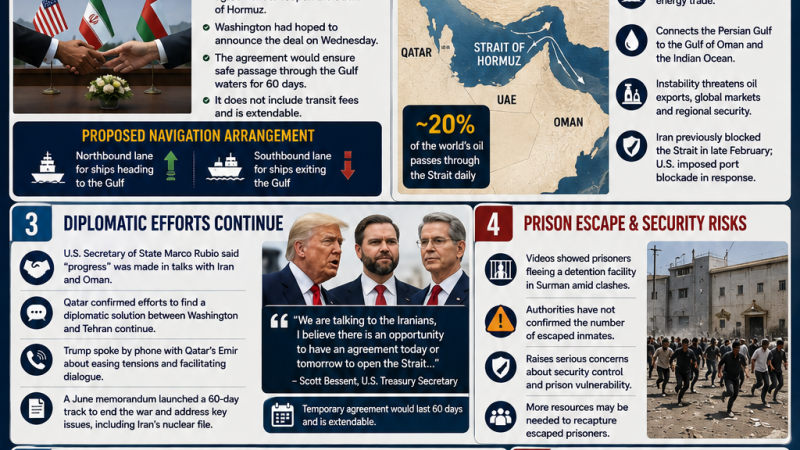
Tehran continues to navigate a complex landscape of diplomatic maneuvers, frequently introducing new terminology to describe its negotiation tracks with global powers. From references to a ‘sixty-day agreement’ to proposals for ‘interim’ or ‘phased’ deals, the nomenclature surrounding Iran’s foreign policy engagements remains in constant flux. These evolving frameworks are increasingly being interpreted by regional and international analysts as a calculated effort to manage pressure rather than a sincere move toward a comprehensive settlement.
For many observers, this pattern of engagement reflects a strategic commitment to ‘buying time.’ By proposing incremental shifts in diplomatic status, the Iranian government maintains a presence at the negotiating table while simultaneously avoiding the concessions often required for a final, binding agreement. This approach has led to growing skepticism among Western interlocutors regarding the long-term intent behind these periodic diplomatic proposals.
The debate over whether these maneuvers represent a ‘final opportunity’ for breakthrough or merely a tactical delay has become a central feature of the ongoing discourse. Proponents of a tougher stance argue that the cycle of interim agreements allows for the continuous advancement of Iran’s regional and domestic objectives without the scrutiny of a final, verified resolution. Conversely, the persistence of these dialogue channels suggests that all involved parties, despite their deep-seated distrust, still view the maintenance of a communication pipeline as preferable to a complete diplomatic collapse.
As the geopolitical landscape remains fragile, the distinction between genuine diplomatic flexibility and tactical procrastination remains thin. The international community is left to evaluate whether these shifting proposals are intended to serve as a bridge to a sustainable accord or as a defensive measure designed to insulate the state from external pressure. For now, the repetitive nature of these temporary arrangements suggests that a permanent resolution remains elusive, as the gap between Tehran’s stated intentions and its strategic actions continues to widen.