Iran’s Reliability Questioned Amid Iraq’s Economic Stability Concerns
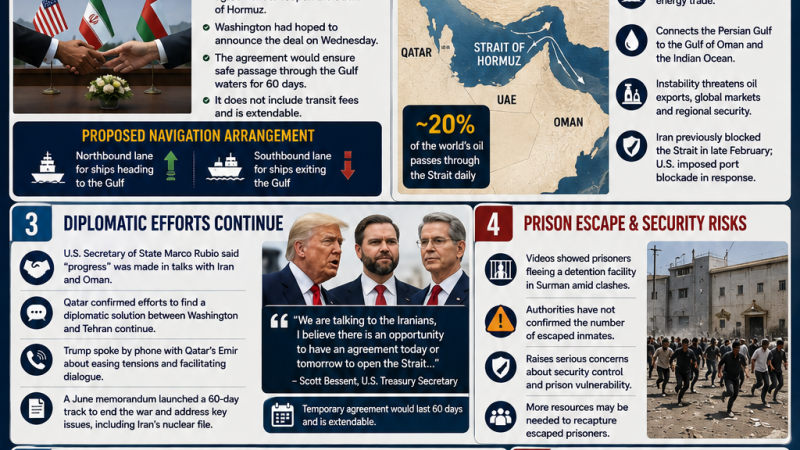
The diplomatic and economic rapport between Baghdad and Tehran is facing renewed scrutiny following signs that Iran may be unable or unwilling to safeguard Iraq’s energy interests amid escalating tensions in the Strait of Hormuz. As regional instability threatens vital maritime corridors, Baghdad’s hopes for preferential treatment for its oil tankers appear to have been thwarted, raising questions about the durability of the strategic partnership between the two neighbors.
For months, Iraqi officials had operated under the assumption that Tehran would provide a safeguard for Iraq’s oil exports, which remain vulnerable to the volatile security environment surrounding the Strait of Hormuz. These expectations were rooted in the complex political and security ties that have long defined the bilateral relationship. However, as geopolitical pressures mount, the anticipated protections have failed to materialize, leaving Iraq exposed to the economic fallout of broader regional frictions.
Military and strategic analyst Ihsan al-Qaisoun suggests that this failure signifies a deeper rift in the relationship between the two nations. According to al-Qaisoun, the lack of support at a critical juncture for Iraq’s economy exposes the limitations of Iran’s influence and its willingness to prioritize Iraqi stability over its own strategic imperatives. What was once described as a robust alliance is increasingly being viewed through a more skeptical lens by observers in Baghdad.
The inability to secure these assurances has placed the Iraqi government in a precarious position. Dependent on oil revenues to sustain its economy and manage ongoing domestic challenges, Baghdad’s reliance on Iranian security coordination has become a point of contention. The current situation highlights the inherent risks of Iraq’s external energy dependencies, particularly when regional actors become preoccupied with their own security dilemmas.
As the situation in the Strait of Hormuz remains fluid, the perceived abandonment of these assurances by Tehran serves as a turning point in the diplomatic discourse. For policymakers in Baghdad, the episode underscores the necessity of diversifying regional security partnerships and reducing reliance on a single neighbor for the protection of its primary revenue stream. The incident has effectively shifted the narrative from one of collaborative regional security to one of strategic friction, leaving both nations to navigate an increasingly complex geopolitical landscape.